
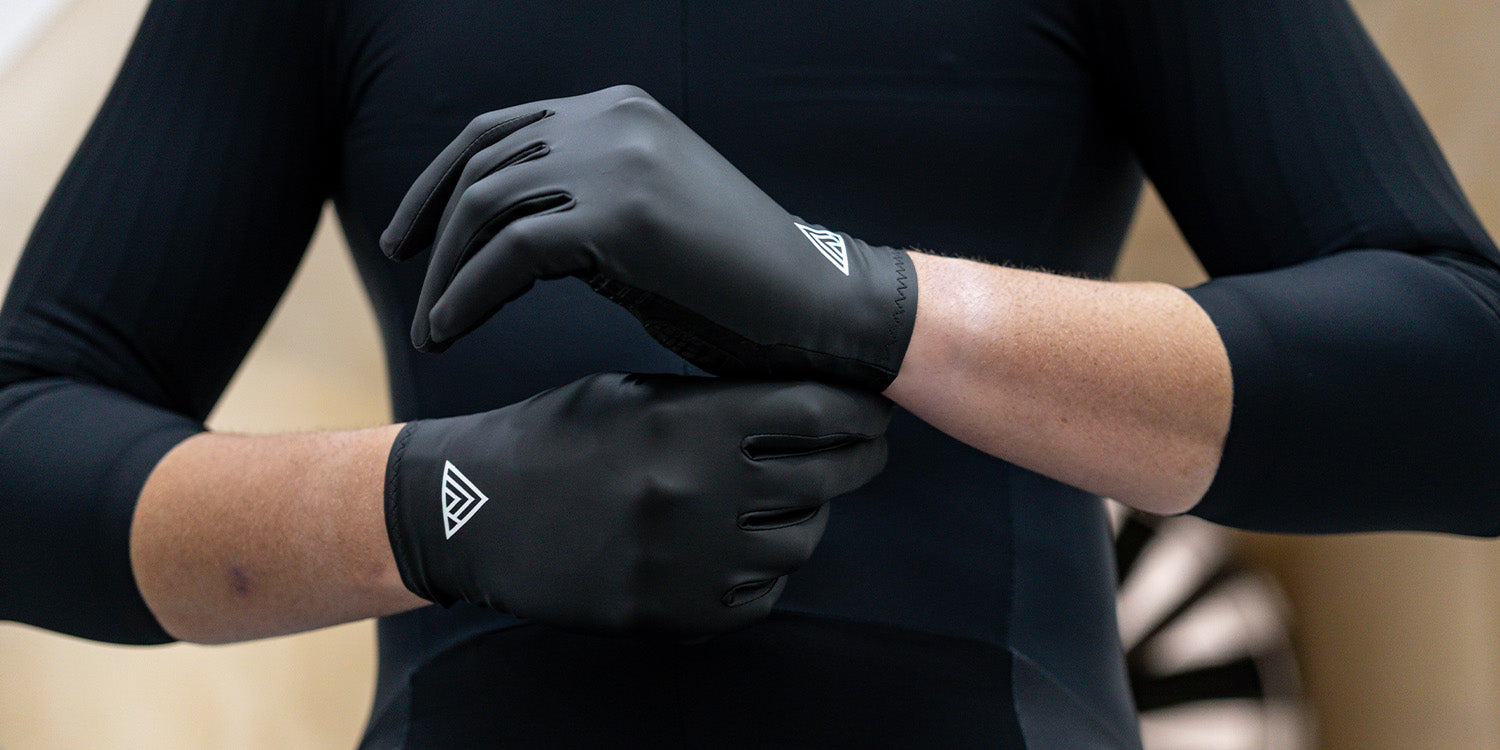
Time trial (TT) overshoes are a subtle yet vital component of a cyclist’s aerodynamic arsenal. While they may appear as a simple layer of fabric, the right pair can reduce drag, improve foot stability, and protect against the elements during high-intensity efforts. Selecting a model that aligns with a rider’s specific needs, whether it’s a flat-out record attempt, a windy hill climb, or a multi-hour solo ride, requires an understanding of material technology, fit characteristics, and the interaction between shoe and pedal system. This guide breaks down the essential criteria, helping cyclists make an informed decision without getting lost in marketing jargon.
Understanding the Core Functions of TT Overshoes
Aerodynamic Efficiency
- Streamlined shape reduces turbulent airflow around the shoe-pedal interface.
- Seam-less construction and low-profile cuffs prevent air from catching on loose fabric.
- Materials such as laminated Mylar or ultra-light nylon provide a smooth surface while remaining breathable.
Weather Protection
- Water-resistant membranes keep feet dry in drizzle without adding bulk.
- Wind-blocking fabrics maintain muscle temperature, delaying fatigue.
- Some models incorporate removable liners for quick drying between attempts.
Foot Stability and Pedal Compatibility
- Elasticized cuffs and silicone grip zones keep the shoe snug against the pedal.
- Compatibility with common cleat systems (SPD, Look, Speedplay) ensures a secure connection.
- Reinforced toe boxes protect against impact while preserving a low-drag profile.
Key Factors to Evaluate When Choosing an Overshoe
- Fit and Sizing: Overshoes should sit tightly enough to eliminate flutter but not so tight that they restrict blood flow. Many brands offer a sizing chart based on shoe size; testing with a pair of cycling shoes is advisable.
- Material Composition: Look for a blend of high-tenacity ripstop nylon and a thin, airtight membrane. This combination balances durability, weight, and weather resistance.
- Weight: Competitive riders often prioritize ultra-light options under 150″?g per pair. However, a slightly heavier model may provide better protection in cold or wet conditions.
- Ventilation: Laser-cut perforations or mesh panels can mitigate overheating on hot days without compromising aerodynamics.
- Ease of Use: Features such as a single-pull entry, elastic cuffs, and quick-release closures speed up transitions during races.
- Durability: Reinforced heel and toe areas extend the lifespan of the overshoe, especially when paired with aggressive pedal strokes.
Matching Overshoes to Specific Riding Scenarios
Flat-Out Record Attempts
For pure speed runs, the priority is minimizing drag. Choose an overshoe with a seamless front panel, minimal seams, and a low-profile cuff. Materials with a high-gloss finish can further reduce air resistance. Discover expert strategies here to pair the overshoe with an aerodynamic helmet and skin suit for maximum benefit.
Windy Hill Climbs
When battling gusts, a slightly thicker, wind-blocking fabric helps maintain leg temperature while still offering a tight fit. Look for models that incorporate a wind-proof membrane without excessive weight. Learn about our tailored solutions that address both aerodynamics and thermal regulation.
Endurance Time Trials
Long-duration efforts demand a balance of comfort, moisture management, and protection. Overshoes with removable, breathable liners allow sweat to escape and can be swapped out mid-ride if needed. Explore advanced guides and tips on integrating overshoes into a comprehensive endurance kit.
Variable Weather Conditions
Riders who encounter changing weather benefit from overshoes featuring a waterproof yet breathable membrane, such as a PU coating. Some designs include zippered pockets for small items, adding utility without sacrificing speed. Find out more about this approach and see how modular accessories can adapt to unpredictable climates.
Maintenance and Longevity Tips
- Rinse overshoes with lukewarm water after each ride; avoid harsh detergents that can degrade membranes.
- Air-dry away from direct sunlight to preserve fabric integrity.
- Inspect seams and elastic cuffs regularly; replace when elasticity diminishes to maintain a secure fit.
- Store in a breathable bag rather than a sealed plastic sack to prevent moisture buildup.
Conclusion
Selecting the perfect time trial overshoe involves more than picking the lightest option on the shelf. By evaluating fit, material technology, aerodynamic design, and the specific demands of each riding scenario, cyclists can enhance performance while safeguarding their feet against wind, rain, and drag. The right overshoe becomes an invisible extension of the rider’s body, allowing focus to remain on power output and pacing. For a curated selection that aligns with these criteria, explore the dedicated accessories collection and apply the insights from this guide to make a confident, performance-driven choice.
