
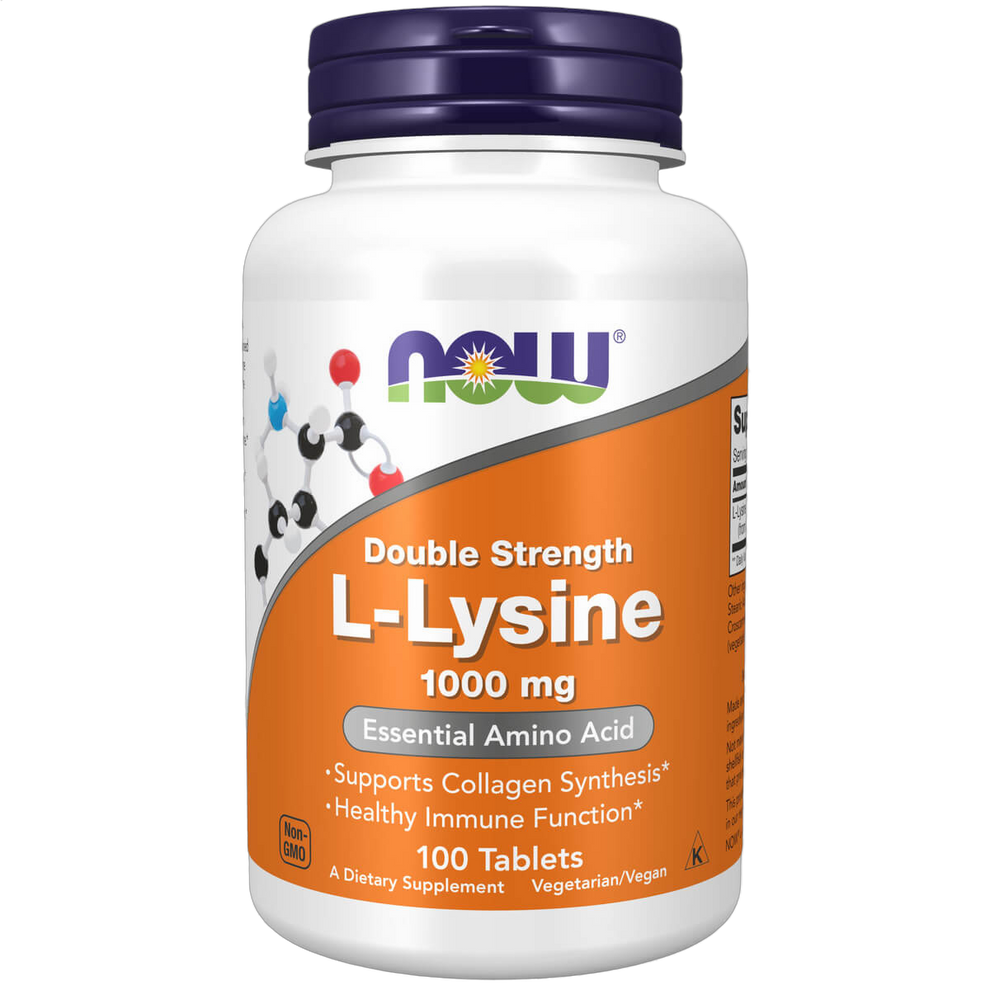
Lysine, an essential amino acid, plays a pivotal role in muscle repair, hormone balance, and immune function, key factors for athletes striving for optimal performance and rapid recovery. While the body cannot produce lysine on its own, adequate intake through diet or supplementation can bridge nutritional gaps, especially during intense training cycles. Understanding how lysine supplementation works, the science behind its benefits, and practical ways to incorporate it can give athletes a measurable edge without relying on vague marketing claims.
Why Lysine Matters for Athletic Performance
Athletes subject their bodies to repetitive stress, micro-tears, and heightened metabolic demand. Lysine contributes to several physiological processes that directly support these challenges:
- Protein Synthesis: As a building block of muscle proteins, lysine helps accelerate the repair of muscle fibers damaged during resistance training.
- Collagen Formation: Lysine is essential for cross-linking collagen, which strengthens tendons, ligaments, and cartilage, reducing injury risk.
- Calcium Absorption: Improved calcium uptake supports bone density, crucial for high-impact sports.
- Immune Modulation: Lysine can inhibit the replication of certain viruses and enhance the activity of immune cells, helping athletes stay healthy during heavy training loads.
Key Benefits of Lysine Supplementation
1. Accelerated Muscle Recovery
Research indicates that lysine, when combined with other essential amino acids, can shorten the time needed for muscle repair. This is especially valuable after:
- High-intensity interval training (HIIT)
- Heavy weight-lifting sessions
- Endurance events that cause extensive muscle breakdown
By ensuring a steady supply of lysine, athletes can maintain a positive nitrogen balance, which promotes tissue rebuilding and reduces soreness. For a deeper dive into practical recovery strategies, Discover expert strategies here.
2. Enhanced Collagen Production for Joint Health
Collagen is the primary structural protein in connective tissue. Lysine contributes to the enzymatic conversion of pro-collagen to mature collagen, strengthening:
- Joint capsules
- Ligament resilience
- Cartilage integrity
Athletes who regularly supplement with lysine often report fewer joint aches and a quicker return to full training after minor strains. To explore how this translates into day-to-day performance, Learn about our tailored solutions.
3. Support for Hormonal Balance and Energy Metabolism
Lysine influences the production of hormones such as growth hormone and insulin, both of which are vital for:
- Muscle growth
- Glycogen replenishment
- Overall energy availability during prolonged effort
A balanced hormonal environment helps athletes sustain intensity across training blocks without experiencing the typical mid-session fatigue. For additional insights on managing energy systems, Explore advanced guides and tips.
How to Incorporate Lysine Into an Athlete’s Regimen
Effective supplementation hinges on timing, dosage, and pairing with complementary nutrients. Below are evidence-based recommendations:
- Dosage: 1,000-3,000″?mg per day, split into two doses (pre-workout and post-workout) to maintain steady plasma levels.
- Timing: Take the first dose 30″?minutes before training to prime protein synthesis; the second dose within 30″?minutes after exercise to support recovery.
- Synergy: Combine lysine with vitamin C, which boosts collagen synthesis, and with other essential amino acids for a complete anabolic response.
- Food Sources: While supplements are convenient, lysine-rich foods such as lean beef, poultry, fish, quinoa, and legumes can complement the regimen.
For a curated selection of high-quality lysine products that meet these criteria, Find out more about this approach.
Potential Considerations and Safety
Lysine is generally well-tolerated, but athletes should be aware of a few points:
- Kidney Function: Individuals with pre-existing kidney conditions should consult a healthcare professional before high-dose supplementation.
- Interaction with Medications: Lysine may affect the absorption of certain antibiotics; timing adjustments may be required.
- Balanced Diet: Over-reliance on supplements can mask dietary deficiencies; a varied diet remains essential.
Conclusion
Integrating lysine into an athlete’s nutrition plan can provide measurable advantages in muscle repair, joint resilience, and overall metabolic efficiency. When used responsibly, paired with proper training, adequate rest, and a balanced diet, lysine supplementation supports the physiological demands of high-performance sport without the need for extravagant claims. For athletes seeking a reliable, science-backed source of this essential amino acid, reputable suppliers offer products that align with rigorous quality standards, ensuring each dose contributes directly to recovery and performance goals.
