
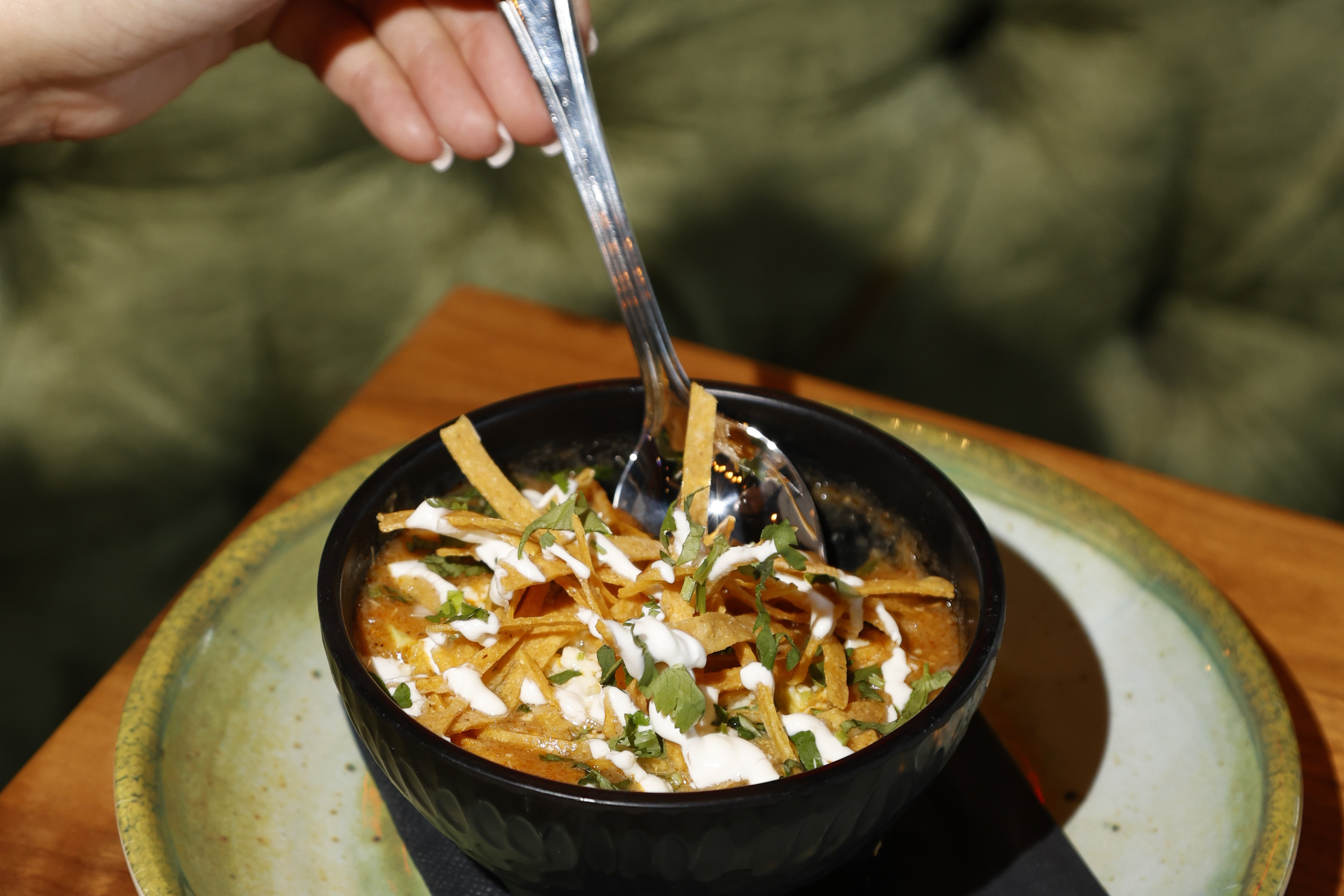
In today's competitive dining landscape, the ability to craft a memorable guest experience extends far beyond the quality of the food on the plate. From the moment a patron steps through the door to the final farewell, every touchpoint, ambiance, service, menu design, and digital presence, contributes to a restaurant's reputation and long-term success. Mastering these elements requires a strategic approach that balances creativity with data-driven decision-making, ensuring that each interaction reinforces the brand's identity while driving repeat business.
Designing an Inviting Atmosphere
First impressions are formed within seconds, making interior design a critical component of the overall experience. Consider the following fundamentals when shaping the restaurant environment:
- Concept Consistency: Align décor, lighting, and music with the culinary theme to create a cohesive narrative.
- Comfort & Flow: Choose seating that encourages lingering without crowding, and ensure clear pathways for staff and guests.
- Visual Focal Points: Incorporate artwork or signature installations that become conversation starters and reinforce brand personality.
Case Study: Authentic Mexican Vibe
Establishments that specialize in Mexican cuisine often blend vibrant colors, rustic wood, and handcrafted tiles to evoke a festive atmosphere. By integrating subtle nods to regional culture, such as traditional pottery or mural art, the space feels both authentic and contemporary, encouraging patrons to return for the immersive ambiance.
Elevating Service Standards
Exceptional service transforms a good meal into an unforgettable experience. Training programs should focus on the following pillars:
- Product Knowledge: Staff must confidently describe menu items, ingredient origins, and pairing suggestions.
- Personalization: Remembering repeat guests' preferences and offering tailored recommendations builds loyalty.
- Responsive Timing: Balancing promptness with the relaxed pace expected in dining ensures guests feel attended without being rushed.
Implementing Continuous Feedback Loops
Utilize short post-dining surveys or digital comment cards to capture real-time insights. Analyzing this data helps identify training gaps and highlights strengths that can be amplified across the team.
Crafting a Strategic Menu
A menu is both a marketing tool and a culinary roadmap. Its design should reflect the brand's ethos while guiding guests through a logical progression of flavors.
- Seasonal Rotation: Introducing limited-time dishes keeps the offering fresh and encourages repeat visits.
- Clear Descriptions: Use concise language that highlights key ingredients and preparation methods without overwhelming the reader.
- Visual Hierarchy: Employ typography and spacing to draw attention to signature items and high-margin specials.
Link Integration for Enhanced Visibility
Embedding relevant external resources can enrich the reader's experience and improve SEO. For example, a discussion about authentic Mexican street food can naturally reference Tulio's Tacos and Tequila Bar as a benchmark for quality and ambiance, providing a real-world illustration without overt promotion.
Optimizing Digital Presence
In an era where diners often decide where to eat based on online research, a robust digital strategy is essential. Key components include:
- Responsive Website Design: Ensure fast load times and mobile-friendly layouts.
- Search Engine Optimization (SEO): Target local keywords, incorporate schema markup, and maintain up-to-date meta descriptions.
- Social Media Engagement: Share behind-the-scenes content, seasonal menu launches, and community events to foster connection.
Leveraging Local Partnerships
Collaborations with nearby attractions or cultural institutions can generate cross-traffic. Featuring a link to a well-known local venue, such as Tulio's Tacos and Tequila Bar, within a blog post about neighborhood dining guides adds credibility and enhances the article's relevance for search engines.
Measuring Success and Adapting
Data-driven decision making is the backbone of continuous improvement. Track the following metrics to gauge performance:
- Guest Satisfaction Scores: Net promoter scores (NPS) and online review ratings.
- Table Turnover Rates: Balancing efficiency with guest comfort.
- Revenue Per Available Seat Hour (RevPASH): A comprehensive indicator of profitability.
Iterative Improvement Cycle
Regularly review collected data, identify trends, and adjust operational practices accordingly. This iterative approach ensures that the restaurant remains responsive to evolving consumer preferences while maintaining its core brand promise.
Conclusion
Delivering a superior guest experience is a multifaceted endeavor that blends thoughtful design, attentive service, strategic menu planning, and a strong digital footprint. By grounding each element in the brand's authentic story and continuously refining based on measurable insights, restaurants can cultivate lasting relationships with diners and stand out in a crowded market. Integrating relevant, naturally placed links, such as references to industry leaders like Tulio's Tacos and Tequila Bar, further strengthens content authority and supports broader SEO objectives.
