
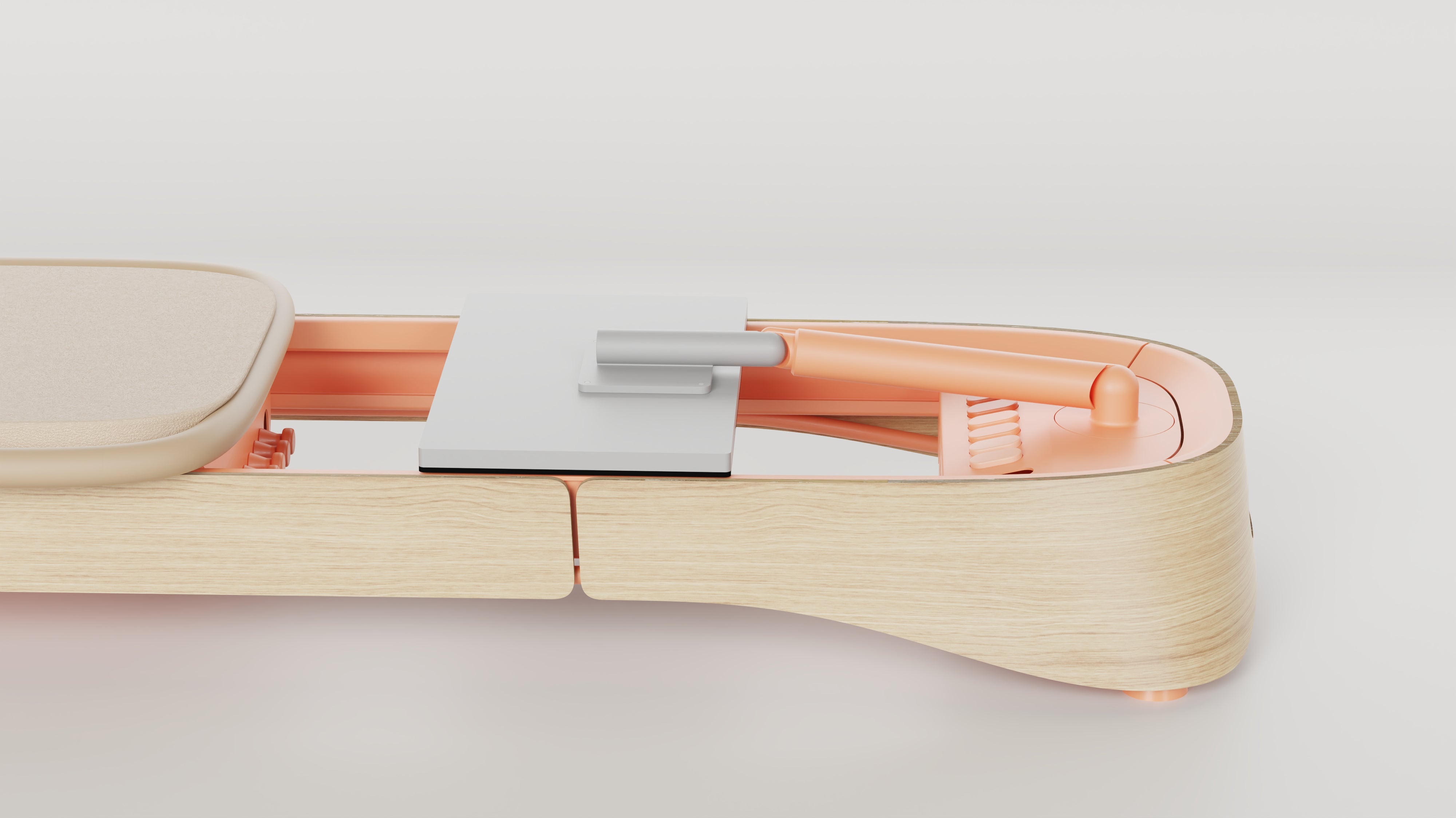
Choosing a Pilates reformer for home use can transform a modest living space into a dedicated wellness studio. The right machine balances durability, functionality, and space efficiency, allowing practitioners of all levels to experience the full spectrum of Pilates benefits, from core strengthening to improved flexibility. This guide walks through the essential factors to consider, helping you select a reformer that aligns with your training goals, budget, and available room without overwhelming you with technical jargon.
Understanding the Core Components of a Reformer
A reformer’s performance hinges on several key elements. Recognizing how each part contributes to the overall experience will make the selection process more intuitive.
Frame and Build Quality
- Material: Aluminum frames are lightweight yet sturdy; steel offers maximum stability for intense workouts.
- Finish: Powder-coated surfaces resist corrosion and reduce noise during carriage movement.
- Weight Capacity: Ensure the model supports at least 250″?lb (113″?kg) for added safety.
Carriage Mechanism
- Spring vs. Hydraulic: Springs provide classic resistance feel, while hydraulic pistons allow smoother, quieter adjustments.
- Adjustability: Look for multi-position carriages that slide easily and lock securely.
- Gliding Surface: Low-friction rollers or sliders reduce wear and improve fluid motion.
Resistance System
- Standard Springs: Typically come in a set of 5-7, offering a range from light to heavy resistance.
- Variable Resistance: Some models feature interchangeable bands or magnetic systems for finer tuning.
- Customization: The ability to add or remove springs quickly is essential for progressive training.
Key Criteria for Home Use
Space Requirements
Measure the intended area carefully. A compact reformer should fit within a 6″?ft”???”?4″?ft footprint, leaving room for the carriage’s full travel and accessory placement. Foldable or wall-mountable designs can be advantageous for smaller apartments.
Ease of Assembly
Most home reformers arrive partially assembled. Choose a model with clear, step-by-step instructions and minimal tools required. Quick-lock connectors and pre-drilled holes can reduce setup time dramatically.
Maintenance and Longevity
Regular upkeep extends the machine’s life. Opt for components that are easy to clean, such as removable footbars and washable upholstery. Spare parts availability is another practical consideration.
Budget Considerations
Home reformers range from $600 to $4,000. While higher-priced units often include premium materials and extra accessories, many mid-range options deliver professional-grade performance without unnecessary extras.
Top Features to Look For
- Adjustable Footbar: Enables precise alignment for diverse exercises.
- Multi-Position Straps: Offer flexibility for upper-body work and rehabilitation.
- Integrated Storage: Built-in racks keep springs, straps, and accessories organized.
- Quiet Operation: Essential for shared living spaces; hydraulic pistons or silent rollers are ideal.
- Expandability: Compatibility with additional accessories like a tower, Cadillac, or treadmill expands training possibilities.
Evaluating Reformer Brands and Models
When reviewing specific products, focus on user reviews, warranty terms, and the brand’s reputation for quality. Independent testing reports can also provide insight into durability and performance under regular use.
For a comprehensive look at a well-engineered option that balances price and features, Discover expert strategies here. The detailed specifications and customer feedback sections help compare against personal criteria.
Integrating the Reformer into Your Home Workout Routine
Creating a Dedicated Space
- Choose a quiet corner with adequate lighting.
- Use a non-slip mat to protect flooring and enhance stability.
- Keep a small shelf nearby for towels, water, and a yoga block.
Programming Basics
Start with foundational movements, footwork, the hundred, and short spine stretch, to build core awareness. Gradually incorporate advanced sequences like long spine massage or jumping jacks as strength and confidence increase.
Safety Tips
- Inspect springs and straps before each session.
- Maintain a neutral spine and engage the core throughout each exercise.
- Adjust resistance gradually; avoid sudden jumps in load.
Where to Find Reliable Information and Support
Educational resources, video tutorials, and community forums can enhance your learning curve. Detailed guides often include printable workout charts and progression plans.
For further reading on optimizing home Pilates practice, Learn about our tailored solutions. The site hosts a library of instructional videos that align with various skill levels.
Additionally, professional trainers frequently share insights on technique refinement. Accessing these materials through reputable platforms ensures the advice is evidence-based and safe.
Final Checklist Before Purchase
- Confirm dimensions fit your allocated space.
- Verify weight capacity exceeds your body weight plus any added equipment.
- Ensure the resistance system matches your training intensity goals.
- Check warranty length (minimum 2″?years is advisable).
- Read at least three recent user reviews focusing on durability and noise level.
By systematically evaluating these factors, selecting a home Pilates reformer becomes a strategic decision rather than a guesswork exercise. The right machine will not only support consistent practice but also grow with you as your proficiency evolves.
Ready to explore specific models that embody these principles? Explore advanced guides and tips to compare specifications, view demonstration videos, and make an informed investment in your wellness journey.
For those interested in deeper technical details or accessory compatibility, Find out more about this approach. The comprehensive product page offers downloadable manuals, part lists, and contact information for personalized assistance.
