
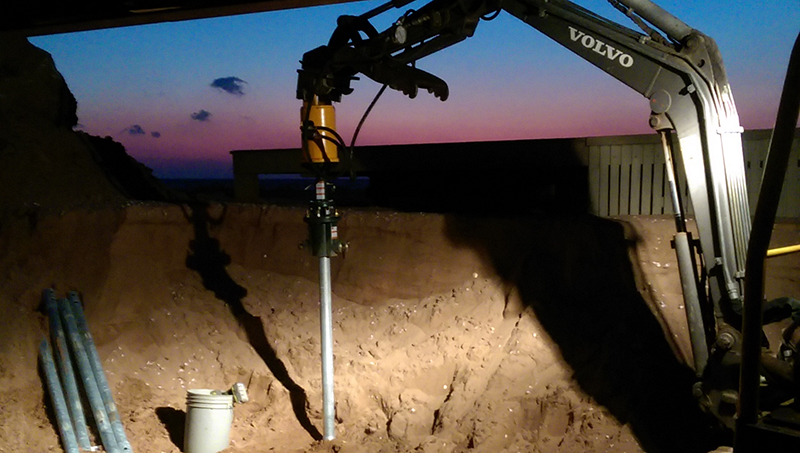
When it comes to construction and foundation projects, precision and reliability are paramount. One of the most versatile tools in this domain is the helical pile driver attachment. These attachments have gained popularity due to their efficiency in installing helical piles, which are essential for providing foundational support in construction. Selecting the right helical pile driver attachment is crucial for ensuring project success. This guide provides insights into making an informed decision tailored to specific project requirements.
Understanding Helical Pile Driver Attachments
A helical pile driver attachment is a tool designed to install helical piles efficiently into the ground. These attachments are often used with skid steers and excavators, and they simplify the process of installing piles by providing the necessary torque and stability. The attachment’s compatibility with various machinery makes it a favored choice in the construction industry.
Key Features to Consider
When choosing a helical pile driver attachment, consider the following features:
- Torque Capacity: Ensure the attachment can deliver the necessary torque for your specific piles and soil conditions. Higher torque capacity is often required for tougher soil environments.
- Compatibility: Verify that the attachment is compatible with your existing machinery, such as skid steers or excavators. Compatibility ensures seamless operation and reduces the risk of equipment damage.
- Durability: Look for attachments made from high-quality materials that can withstand tough working conditions. This ensures longevity and reduces maintenance costs.
- Ease of Use: Consider attachments that are easy to install and operate. This minimizes downtime and enhances efficiency on the job site.
- Versatility: Some attachments offer additional features or can be adapted for various applications. Evaluate if these options could be beneficial for your project needs.
Evaluating Project Requirements
Understanding the specific needs of your project is essential when selecting a helical pile driver attachment. Consider the following aspects:
Soil Conditions
The type of soil at the construction site plays a significant role in determining the appropriate attachment. For instance, dense and rocky soils may require higher torque capabilities. Conduct a thorough analysis of the site soil conditions to choose an attachment that can handle the terrain effectively.
Pile Specifications
Different projects require different pile sizes and types. Ensure that the helical pile driver attachment can accommodate the specific dimensions and types of piles necessary for your project. This includes considering the diameter and length of the piles.
Project Scale and Duration
For large-scale projects or long-term use, investing in a robust and high-capacity attachment is advisable. Conversely, for smaller or short-term projects, a more economical option may suffice.
Cost and Budget Considerations
While quality and compatibility are critical, budget constraints also play a role in decision-making. Balancing cost with the required features and reliability is key to a successful purchase. Consider the total cost of ownership, including initial purchase price, maintenance, and potential downtime costs. Research and compare different brands and models to find the most cost-effective solution that meets your project requirements.
Conclusion
The selection of a helical pile driver attachment is a decision that should be made with careful consideration of project-specific requirements, machinery compatibility, and budget constraints. By focusing on the key features and understanding the demands of the construction site, it is possible to choose an attachment that will provide reliable performance and enhance the efficiency of pile installation. This guide aims to equip decision-makers with the knowledge needed to select the most suitable tool for their construction needs.
