
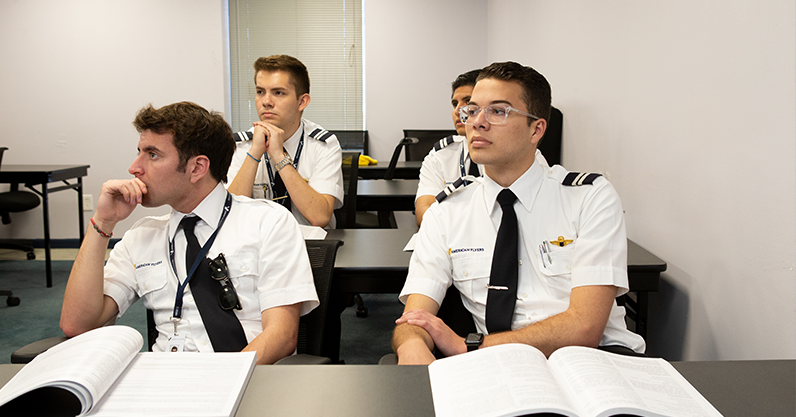
Commercial aircraft pilot training is a complex and nuanced process that demands a deep understanding of aviation principles, extensive flying experience, and the ability to make critical decisions under pressure. Mastering these classes is an essential step for aspiring pilots aiming to navigate the skies of commercial aviation. The journey from novice to professional pilot involves rigorous training, thorough examination, and continuous learning. This article delves into the essential components of commercial pilot training, emphasizing strategies, skills, and resources necessary for success.
Understanding the Basics of Commercial Pilot Training
Becoming a commercial pilot requires a solid foundation in various aviation disciplines. These foundational elements include:
- Aerodynamics: Understanding the principles of flight and aircraft control.
- Meteorology: Knowledge of weather patterns and their impact on flight operations.
- Navigation: Proficiency in using instruments and maps for accurate piloting.
- Air Traffic Control (ATC) Communication: Effective communication skills for coordinating with ATC.
For those seeking to delve deeper into these areas, it is crucial to discover expert strategies here to enhance understanding and practical application.
Advanced Training Techniques and Simulations
Commercial pilot training programs often incorporate advanced techniques and simulations to prepare trainees for real-world scenarios. These methods include:
- Flight Simulators: High-fidelity simulators replicate various flight conditions, allowing pilots to practice complex maneuvers and emergency procedures.
- Crew Resource Management (CRM): Training that focuses on teamwork, communication, and problem-solving in multi-crew environments.
- Scenario-Based Training: Realistic scenarios that challenge pilots to apply their knowledge and skills in dynamic situations.
Simulation technology is continually evolving, providing trainees with more realistic and varied experiences. For further insights, explore advanced guides and tips on leveraging these training tools effectively.
Specialized Training Modules
To cater to specific needs and career pathways, commercial pilot training also offers specialized modules such as:
- Instrument Rating: Training focused on flying in varied weather conditions using instruments.
- Multi-Engine Rating: Skills necessary for operating aircraft with more than one engine.
- Night Flying: Techniques and safety measures for piloting aircraft during nighttime.
These specialized modules are crucial for pilots pursuing specific objectives and increasing their employability. Interested individuals can learn about our tailored solutions to find the right fit for their aspirations.
Examination and Certification Process
The examination and certification process is a critical step in commercial pilot training. It includes:
- Written Exams: Testing theoretical knowledge across various aviation subjects.
- Practical Flight Tests: Assessing piloting skills and decision-making abilities in real-time scenarios.
- Medical Certification: Ensuring the pilot’s physical and mental fitness to operate an aircraft safely.
Achieving certification requires diligence and a thorough understanding of the standards and expectations. To succeed, prospective pilots can find out more about this approach and navigate the certification journey with confidence.
Continuous Learning and Career Advancement
The learning process for commercial pilots does not end with certification. Continuous education is vital for keeping up with technological advancements and regulatory changes. Pilots are encouraged to engage in ongoing training programs, workshops, and seminars to remain at the forefront of the industry. For those interested in career advancement, learn about our tailored solutions that align with evolving industry demands.
In summary, mastering commercial aircraft pilot training requires dedication, a willingness to learn, and access to the right resources. By understanding the core principles, engaging with advanced training techniques, and committing to continuous learning, aspiring pilots can successfully navigate the path to becoming skilled and respected professionals in the aviation industry.
