
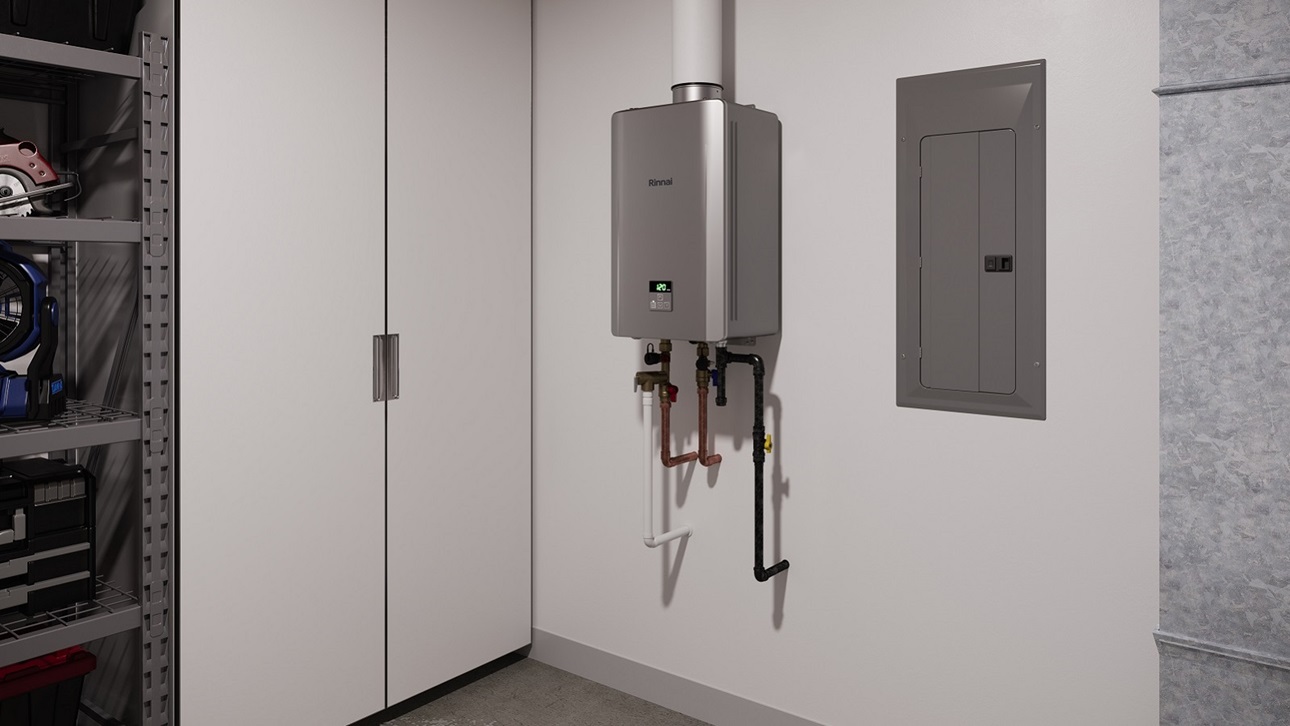
As energy efficiency becomes a top priority in modern households, many homeowners are considering upgrades to their traditional appliances. One such upgrade gaining popularity is the transition from conventional water heaters to more efficient solutions, such as the tankless water heater. These systems promise not only to save on energy costs but also to deliver hot water on demand. But what exactly makes tankless water heaters so appealing, and are they truly worth the investment? This article delves into the workings, benefits, and considerations surrounding tankless water heaters to provide a clearer picture of their efficiency and potential savings.
Understanding Tankless Water Heaters
Unlike traditional water heaters that maintain a constant reservoir of hot water, tankless water heaters operate on-demand. This means they heat water only when it is needed, providing several distinct advantages:
- Energy Efficiency: By eliminating the need to keep a large volume of water hot at all times, tankless systems can reduce energy consumption, potentially lowering utility bills significantly.
- Space Saving: Without the bulky tank, these systems are compact and can be installed in various locations, adding flexibility in tight spaces.
- Longevity: With proper maintenance, tankless water heaters have a longer lifespan compared to their tanked counterparts, often lasting over 20 years.
Potential Savings with Tankless Systems
The primary allure of tankless water heaters is their ability to offer long-term savings. Here’s how they make a financial impact:
Reduction in Energy Bills
Studies suggest that switching to a tankless system can reduce energy bills by 24% to 34% annually. This is largely due to the system’s efficiency in heating water only when necessary, avoiding the standby heat loss associated with tank systems.
Increased Home Value
Installing a tankless water heater can increase a property’s value, appealing to potential buyers who prioritize energy efficiency and modern amenities.
Considerations Before Making the Switch
While the benefits are compelling, there are several factors to consider before transitioning to a tankless water heater:
- Initial Costs: The upfront costs for purchasing and installing a tankless system can be higher than traditional models. However, these costs are often offset over time through energy savings.
- Installation Requirements: Some homes may require modifications to accommodate tankless systems, particularly in terms of venting and gas line upgrades.
- Water Output: For larger households with high hot water demand, multiple units may be necessary to ensure adequate flow.
Conclusion
Tankless water heaters offer a modern solution for those seeking energy efficiency and long-term savings. By understanding the operational mechanics and evaluating the financial implications, homeowners can make informed decisions about whether a tankless water heater is the right choice for their needs. As advancements in technology continue to drive innovation in home appliances, investing in such systems can be a wise step towards sustainability and efficiency.
