
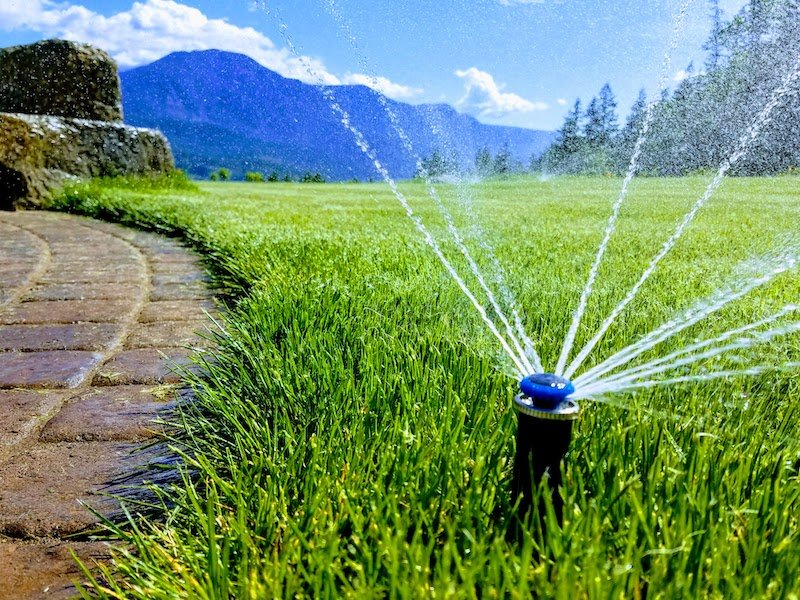
Effective irrigation is a cornerstone of successful construction projects, whether the goal is a residential subdivision, a commercial complex, or a large-scale infrastructure development. Proper water management not only safeguards the health of newly planted landscapes but also optimizes resource use, reduces long-term maintenance costs, and ensures compliance with local regulations. By integrating modern irrigation technologies early in the planning phase, contractors can avoid costly retrofits and deliver projects that stand the test of time.
Understanding Project-Specific Irrigation Needs
Every construction site presents a unique set of challenges that dictate the design of an irrigation system. Key factors to evaluate include soil composition, climate conditions, plant selection, and the intended use of the space. A thorough site analysis helps determine the most efficient delivery method, whether drip, sprinkler, or a hybrid approach.
- Soil type: Sandy soils require frequent, low-volume watering, while clay soils benefit from deeper, less frequent applications.
- Climate considerations: Areas with high evapotranspiration rates need higher flow rates and possibly automated scheduling.
- Plant varieties: Native and drought-tolerant species reduce overall water demand.
- Regulatory requirements: Local water use ordinances may limit flow rates or mandate specific technologies.
For a deeper dive into tailoring irrigation strategies to diverse project conditions, Discover expert strategies here.
Design Principles for Reliable Irrigation Systems
Modular Layouts for Future Expansion
Construction projects often evolve, and irrigation systems should be designed with flexibility in mind. Modular pipe networks and zone-based controllers allow for easy addition or modification of watering areas without extensive re-engineering.
Automation and Smart Controls
Integrating weather-responsive sensors and programmable controllers reduces waste and improves plant health. Smart systems can adjust watering schedules based on real-time precipitation data, soil moisture levels, and temperature fluctuations.
- Remote monitoring via mobile apps.
- Automatic shut-off during rain events.
- Seasonal adjustment presets.
To explore advanced guides and tips on implementing smart irrigation technology, Explore advanced guides and tips.
Installation Best Practices
Precision during installation sets the foundation for long-term performance. Follow these best practices to ensure a robust system:
- Conduct a pre-installation pressure test to identify leaks.
- Use trenching methods that protect existing utilities.
- Install backflow preventers to meet safety standards.
- Label all zones clearly for future maintenance.
Professional guidance can streamline these steps and avoid common pitfalls. Find out more about this approach.
Maintenance Strategies for Longevity
Even the most sophisticated irrigation system requires regular upkeep. A proactive maintenance schedule includes:
- Seasonal flushing to clear debris.
- Inspecting emitters for clogging or damage.
- Calibrating flow rates to match plant water requirements.
- Updating controller firmware for optimal performance.
Adopting a systematic maintenance plan reduces downtime and extends the life of the infrastructure, ultimately protecting the project’s investment.
Cost-Effective Planning and ROI
While initial installation costs can appear significant, a well-designed irrigation system delivers measurable returns:
- Reduced water bills through targeted application.
- Lower landscaping maintenance expenses.
- Enhanced property value due to healthy, attractive green spaces.
- Compliance with sustainability certifications, opening doors to incentives.
Understanding these benefits helps stakeholders justify the upfront expense and align the project with long-term sustainability goals.
Conclusion
Integrating effective construction irrigation solutions is essential for delivering resilient, aesthetically pleasing, and environmentally responsible projects. By assessing site-specific needs, applying sound design principles, adhering to meticulous installation standards, and committing to ongoing maintenance, construction teams can ensure optimal water use and project success. Leveraging expert resources and up-to-date technology further enhances performance, positioning each development as a benchmark for quality and sustainability.
