
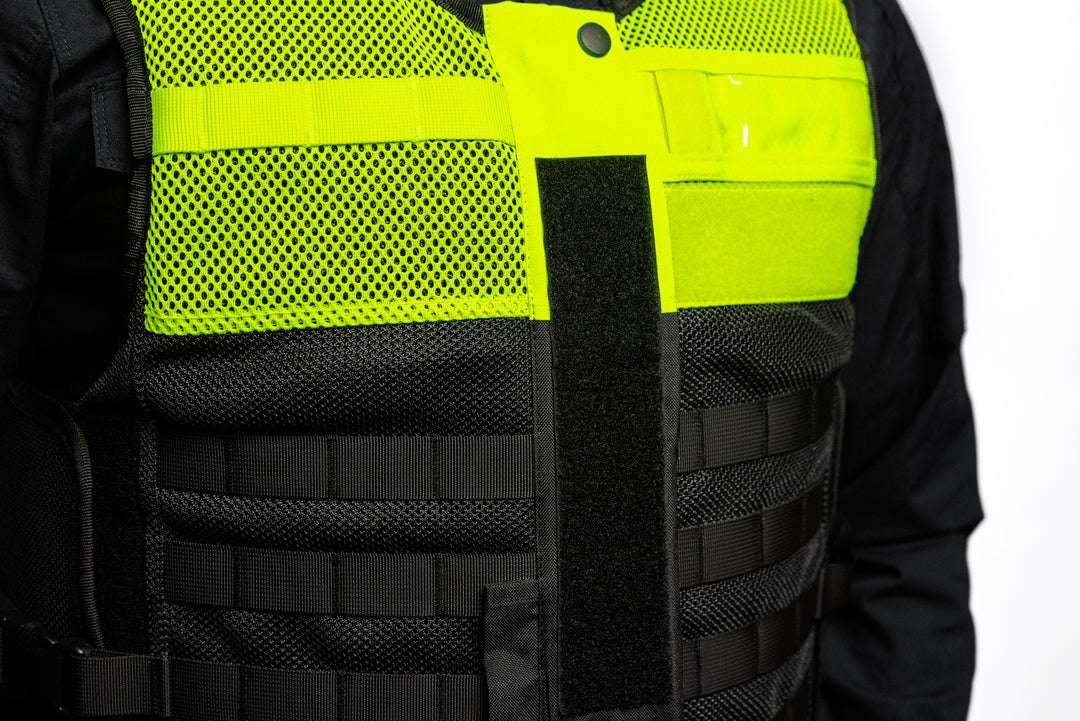
In today’s unpredictable environments, personal protection is no longer optional, it’s essential. A stab vest, designed to stop or reduce the impact of edged weapons, offers a reliable line of defense for professionals ranging from security personnel to emergency responders. Selecting the right vest, understanding its construction, and maintaining it properly can dramatically increase safety on the job. This guide explores the key factors that influence vest performance, practical tips for optimal use, and how to stay informed about the latest advancements in stab-resistant technology.
Understanding Stab Vest Construction
Modern stab vests combine multiple layers of high-strength materials to disperse and absorb the force of a blade. The most common components include:
- Fiber layers: Ultra-high-molecular-weight polyethylene (UHMWPE) or aramid fibers (e.g., Kevlar) provide the primary resistance to penetration.
- Metallic or ceramic plates: Optional inserts that increase protection against deeper thrusts while adding minimal bulk.
- Protective backing: Soft, impact-absorbing fabrics that reduce blunt-force trauma.
- Durable outer shell: Water-resistant and abrasion-resistant fabrics that extend the vest’s service life.
Key Performance Metrics
When evaluating a vest, consider the following standards:
- NIJ Level IIIA: Certified protection against most edged weapons and low-velocity projectiles.
- Cut resistance rating: Measured in millimeters of steel blade penetration; higher numbers indicate better performance.
- Flexibility and weight: Critical for comfort during prolonged wear.
Choosing the Right Vest for Your Role
Different occupations demand specific features. Below are common scenarios and the attributes that matter most.
- Security guards: Lightweight, discreet designs that can be worn under uniforms.
- Correctional officers: Vests with reinforced front panels and quick-release buckles for rapid removal.
- Healthcare workers in high-risk areas: Antimicrobial fabrics combined with cut-resistance.
- Event staff: Adjustable sizing and breathable panels for comfort in hot environments.
For a comprehensive selection of models that meet these criteria, Discover expert strategies here.
Proper Fit and Adjustment
A vest that is too loose can shift during movement, exposing vulnerable areas. Conversely, an overly tight vest may restrict mobility and cause fatigue. Follow these steps to achieve an optimal fit:
- Measure chest circumference at the fullest point.
- Select a size that allows 2-3 cm of clearance.
- Adjust shoulder straps and side closures until the vest sits snugly against the torso without digging into the skin.
- Perform a mobility test: raise arms, bend, and twist to ensure the vest does not hinder motion.
Maintenance and Longevity
Stab vests are engineered for durability, but regular care extends their protective life.
- Cleaning: Hand-wash with mild detergent; avoid harsh chemicals that can degrade fibers.
- Inspection: After each use, check for cuts, fraying, or delamination of plates.
- Storage: Keep in a cool, dry environment away from direct sunlight.
Guidelines for proper upkeep are detailed in many product resources; Learn about our tailored solutions.
Legal and Compliance Considerations
Before deploying stab-resistant gear, verify that it complies with local regulations and industry standards. Many jurisdictions require certification documentation, especially for personnel working in correctional facilities or high-risk security roles.
Staying Updated on Technology Advances
The field of personal protection evolves rapidly, with innovations such as nano-coated fibers and integrated sensor systems. Professionals who stay informed can make better purchasing decisions and enhance workplace safety.
For the latest research, case studies, and product releases, Explore advanced guides and tips.
Conclusion
Investing in a high-quality stab vest is a proactive step toward safeguarding lives on the front lines. By understanding construction, selecting the appropriate model for specific duties, ensuring a proper fit, and maintaining the equipment, users can rely on consistent protection against edged threats. Continuous education and adherence to standards further reinforce the effectiveness of this vital safety gear. Embrace these best practices, and confidence in personal safety will follow.
