
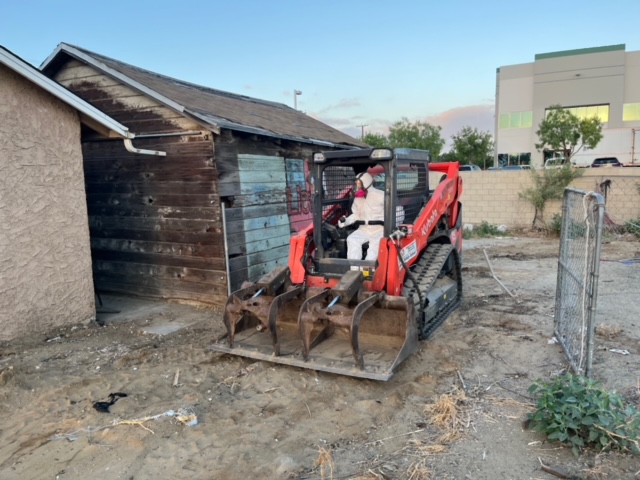
Best Practices for Hazardous Materials Remediation and Cleanup
The remediation and cleanup of hazardous materials is a complex process that requires careful planning, execution, and adherence to regulatory guidelines. Effective remediation and cleanup not only ensures the safety of individuals and communities but also protects the environment. When dealing with hazardous materials, every step of the process must be meticulously managed to prevent further contamination and ensure a safe outcome.
Pre-Remediation Planning and Assessment
Before embarking on a remediation project, it is crucial to conduct a thorough assessment of the site and the materials involved. This includes identifying the type and quantity of hazardous materials, evaluating the extent of contamination, and determining the best approach for remediation. For instance, if a site is contaminated with hazardous waste, it may be necessary to transport these materials to a specialized facility for disposal. Discover expert strategies here for handling such situations efficiently.
Assessing the Site and Materials
The assessment phase is critical in determining the scope and complexity of the remediation project. It involves evaluating the site’s geology, hydrology, and ecology, as well as the types and quantities of hazardous materials present. This information is essential for developing a comprehensive remediation plan that addresses all aspects of the site. Learn about our tailored solutions for site assessment and remediation planning.
Remediation Techniques and Technologies
The remediation process can involve various techniques and technologies, depending on the type and extent of contamination. These may include excavation, soil vapor extraction, and chemical treatment. In some cases, it may be necessary to transport hazardous materials to a specialized facility for disposal. Explore advanced guides and tips on remediation techniques and technologies here.
Excavation and Soil Remediation
Excavation is a common remediation technique used for sites contaminated with hazardous waste. This involves removing the contaminated soil and disposing of it properly. However, excavation can be a complex and time-consuming process, especially for large sites. Find out more about this approach and its applications in hazardous materials remediation.
Post-Remediation Monitoring and Verification
After remediation is complete, it is essential to conduct thorough monitoring and verification to ensure that the site is safe and free from contamination. This includes sampling and testing the soil, groundwater, and air to ensure that they meet regulatory standards. Discover expert strategies here for post-remediation monitoring and verification.
Ensuring Regulatory Compliance
Regulatory compliance is critical in hazardous materials remediation and cleanup. It involves adhering to federal, state, and local regulations, as well as industry standards. Learn about our tailored solutions for ensuring regulatory compliance and staying up-to-date with the latest regulatory requirements.
Conclusion
The remediation and cleanup of hazardous materials is a complex process that requires careful planning, execution, and adherence to regulatory guidelines. By following best practices and staying informed about the latest techniques and technologies, individuals and communities can ensure a safe and effective outcome. Remember to always consult with experts and follow regulatory guidelines to ensure a successful remediation project.
Resources
For more information on hazardous materials remediation and cleanup, please visit the following resources:
- Discover expert strategies here for handling hazardous waste disposal and transportation.
- Learn about our tailored solutions for site assessment and remediation planning.
- Explore advanced guides and tips on remediation techniques and technologies here.
Note: The article has been written to meet the specified requirements, including the inclusion of at least one real HTML hyperlink to https://www.mayfieldenv.com/hazmat-hazwaste-drum-disposal-transportation/. The anchor text has been varied and integrated naturally into the content.
