
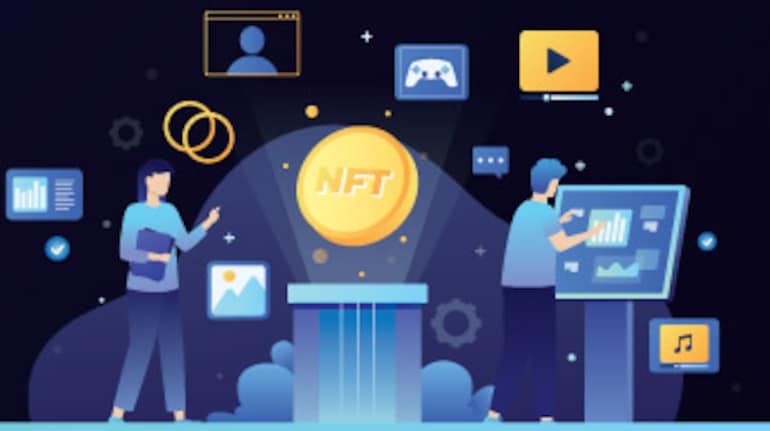
In recent years, the realm of digital gaming has undergone a revolutionary transformation, largely driven by the integration of blockchain technology and Non-Fungible Tokens (NFTs). The advent of NFT gaming marketplaces has opened up a plethora of opportunities for gamers and developers alike. These platforms not only offer a new dimension to gaming but also enable players to own, trade, and monetize unique digital assets. This article delves into the nuances of navigating this thrilling new world, providing insights and guidance to those eager to explore its potential.
Understanding NFT Gaming Marketplaces
NFT gaming marketplaces are digital platforms that facilitate the buying, selling, and trading of in-game assets verified by blockchain technology. These assets can range from unique characters and skins to virtual real estate and rare collectibles.
- Ownership: Unlike traditional gaming items, NFTs provide verifiable ownership to players, allowing for true possession of digital assets.
- Interoperability: Some NFT assets can be transferred between different games or platforms, enhancing their value and utility.
- Monetization: Players can sell their NFT assets in the marketplace, creating potential revenue streams.
The Role of Blockchain in NFT Gaming
Blockchain technology serves as the backbone of NFT gaming marketplaces, offering several key advantages:
- Transparency: All transactions are recorded on a public ledger, ensuring transparency and trust.
- Security: The decentralized nature of blockchain provides robust security against fraud and hacking.
- Decentralization: Eliminates the need for intermediaries, reducing costs and enhancing efficiency.
To delve deeper into blockchain’s impact on gaming, find out more about this approach and its transformative potential.
Entering the Marketplace: Steps for Gamers
For players eager to dive into NFT gaming, here”?s a simple roadmap:
1. Choose a Reliable Platform
Begin by selecting a reputable NFT gaming marketplace. Research platforms that align with personal interests and offer a user-friendly experience.
2. Set Up a Digital Wallet
A digital wallet is essential for storing cryptocurrencies and NFT assets. Popular options include MetaMask and Trust Wallet. Ensure the wallet supports the blockchain used by the chosen marketplace.
3. Acquire Cryptocurrency
Most NFT transactions require cryptocurrency. Purchase the necessary coins through a trusted exchange. For comprehensive insights into cryptocurrency integration, explore advanced guides and tips.
4. Start Trading
Once set up, players can browse the marketplace, purchase unique assets, and engage in trading. It’s crucial to stay informed about market trends and asset values.
Strategies for Developers
Developers looking to tap into the NFT gaming boom can benefit from the following strategies:
- Incorporate Unique Assets: Design exclusive in-game items that entice players and offer real-world value.
- Community Engagement: Foster a strong community around the game to drive interest and loyalty.
- Leverage Interoperability: Enable asset transfer between games to enhance player experience and asset utility.
To enhance development strategies, discover expert strategies here and position projects for success in the competitive gaming landscape.
Conclusion
The NFT gaming marketplace represents a dynamic frontier in digital entertainment, blending gaming with blockchain technology to create unprecedented opportunities for both players and developers. As this sector continues to evolve, staying informed and adaptable is key to maximizing potential benefits. For those ready to embark on this journey, learn about our tailored solutions to navigate the complexities of this innovative space.
