
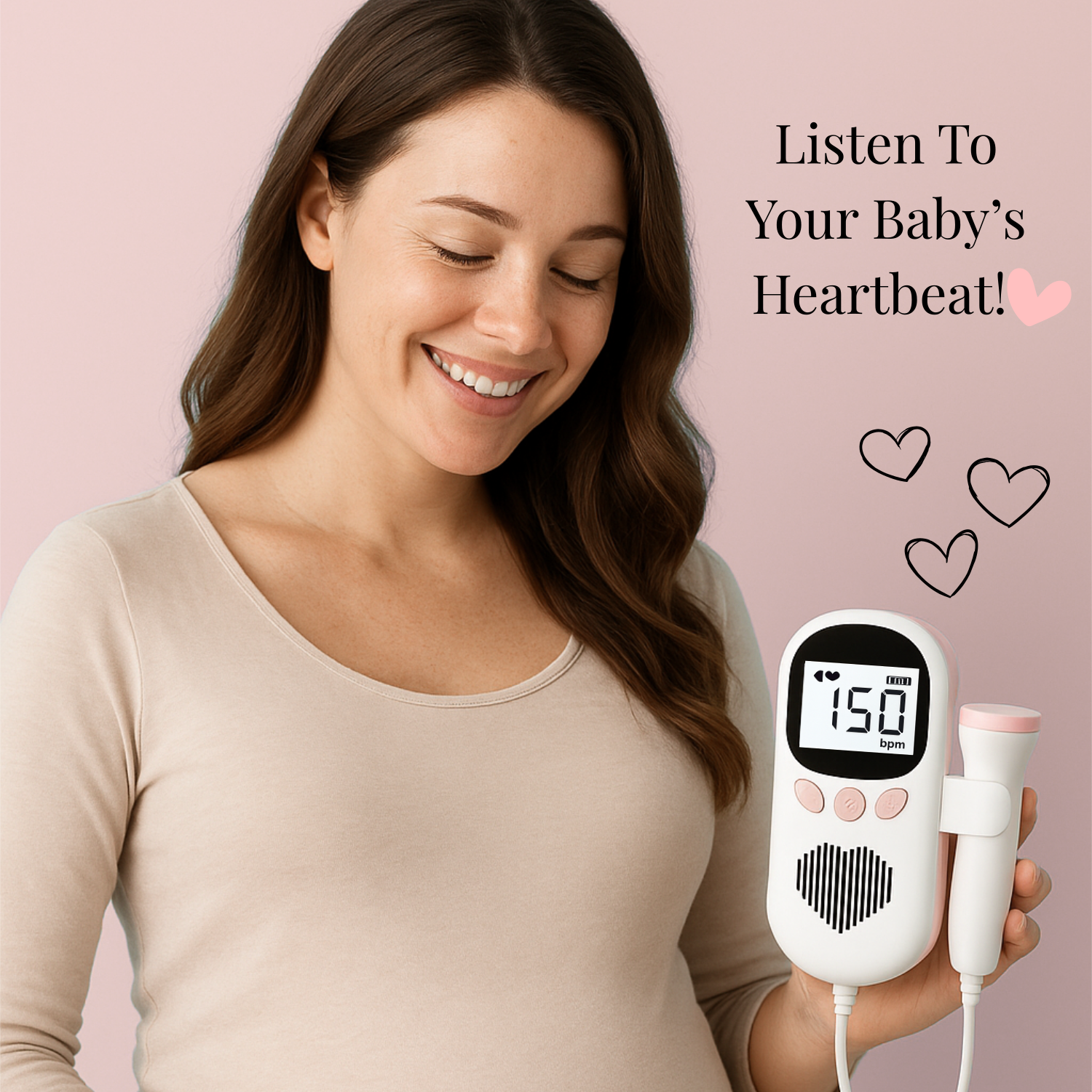
The Benefits of Using a Fetal Doppler for Pregnant Women
Pregnancy is a journey filled with excitement, anticipation, and sometimes anxiety. For many expectant mothers, the ability to hear their baby’s heartbeat is a comforting experience that reassures them of their baby’s health and well-being. This is where a fetal Doppler comes into play, offering a non-invasive way to monitor the fetal heartbeat at home. This article explores the advantages of using a fetal Doppler, providing insights into how it can enhance the pregnancy experience.
Understanding Fetal Doppler
A fetal Doppler is a handheld ultrasound device used to detect the fetal heartbeat. By emitting sound waves that bounce back when they encounter movement, the Doppler captures these echoes to produce a sound that can be heard as the baby’s heartbeat.
Benefits of Using a Fetal Doppler
The use of a fetal Doppler offers several benefits:
- Reassurance: Listening to the baby’s heartbeat provides emotional comfort to expectant parents, reducing anxiety and enhancing the bonding experience.
- Convenience: Allows parents to monitor the baby’s heartbeat at home, offering flexibility and ease, especially between scheduled prenatal visits.
- Non-Invasive: The fetal Doppler is a safe, non-invasive tool that can be used without any discomfort or risk to the mother or baby.
Guidelines for Using a Fetal Doppler
How to Use a Fetal Doppler Safely
While a fetal Doppler can be a valuable tool, it is essential to use it correctly to ensure accurate results and maintain safety.
- Use the Doppler in a quiet room to easily detect the heartbeat.
- Apply ultrasound gel to the probe to improve sound conduction.
- Move the probe slowly around the lower abdomen for better detection.
- Avoid excessive use; periodic check-ins are more than sufficient.
Discover expert strategies here for optimal use of a fetal Doppler.
When to Use a Fetal Doppler
A fetal Doppler is typically effective from the 12th week of pregnancy onwards. It is important to understand that not detecting a heartbeat is not always a cause for concern, as positioning and fetal movement can affect detection. For consistent monitoring, explore advanced guides and tips on how to use these devices effectively.
Conclusion
The journey of pregnancy is unique for every woman. A fetal Doppler can play a significant role in enhancing this experience by providing peace of mind through the ability to hear a baby’s heartbeat at home. While it should not replace regular prenatal care, it can supplement the care provided by healthcare professionals. For more information on utilizing this technology, find out more about this approach to ensure a safe and comforting pregnancy journey.
For detailed guidance and tailored solutions, learn about our tailored solutions to make the most of your fetal Doppler experience.
