
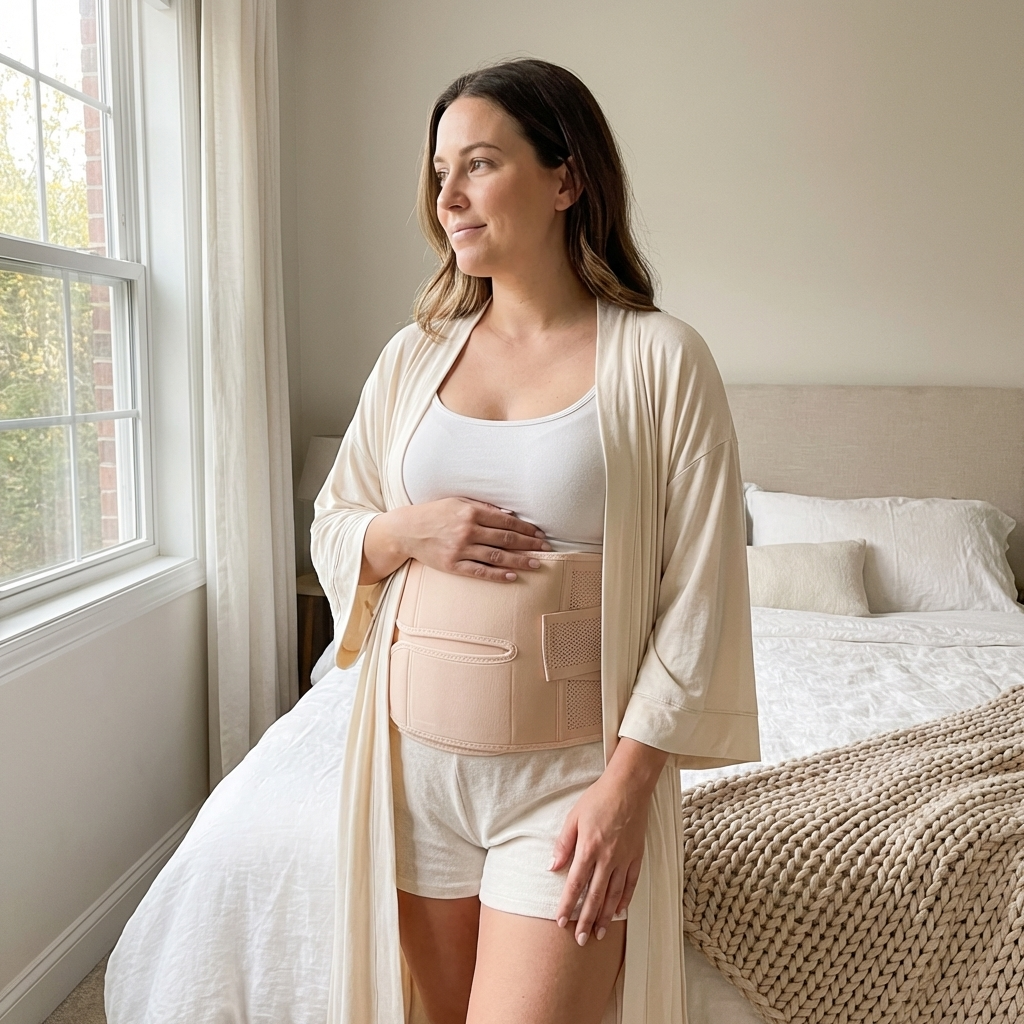
Postpartum recovery is a crucial phase for new mothers, focusing on healing and adapting to life after childbirth. Aiding this recovery process, postpartum recovery belts have gained popularity for their support in providing physical comfort and promoting a faster return to pre-pregnancy form. These belts are designed to offer abdominal support, improve posture, and help alleviate discomfort. Understanding the benefits and correct usage of these belts can make a significant difference in a new mother’s recovery journey. This guide aims to provide comprehensive insights into what postpartum recovery belts are, how they work, and what considerations to keep in mind when choosing one.
Understanding Postpartum Recovery Belts
What Are They?
Postpartum recovery belts, also known as belly wraps or binders, are garments worn around the abdomen. They are typically made from elastic, breathable materials to provide compression and support to the abdominal area post-childbirth.
Benefits of Using a Postpartum Recovery Belt
These belts offer several advantages, including:
- Providing support to the abdominal muscles, thereby aiding in their recovery.
- Improving posture by offering back support.
- Alleviating pain and discomfort associated with C-section delivery.
- Helping the uterus return to its pre-pregnancy size.
- Encouraging confidence by helping mothers fit into their pre-pregnancy clothes sooner.
To explore advanced guides and tips on postpartum recovery, discover expert strategies here.
How to Choose the Right Postpartum Recovery Belt
Material and Comfort
The right material ensures comfort and breathability. Look for belts made from soft, hypoallergenic materials that won’t irritate the skin. The choice of material can significantly affect the overall comfort and effectiveness of the belt.
Size and Fit
Choosing the correct size is crucial. A belt that is too tight may cause discomfort, while one that is too loose won’t provide the necessary support. It’s important to follow sizing guides or seek professional advice when selecting a belt.
Ease of Use
Consider how easy it is to put the belt on and take it off, especially when frequent adjustments are needed. A user-friendly design can make daily wear more manageable.
For those seeking tailored solutions, learn about our tailored solutions for postpartum recovery belts.
When and How to Use a Postpartum Recovery Belt
Timing and Duration
It’s typically recommended to begin wearing a postpartum recovery belt soon after delivery, but always consult with a healthcare provider for personalized advice. Generally, these belts can be worn for 6-8 weeks post-delivery, depending on individual needs and comfort levels.
Proper Usage
- Wear the belt snugly but not too tight, ensuring comfort and adequate support.
- Gradually increase the duration of wear as comfort allows.
- Remove the belt during sleeping hours to allow the body to rest.
Find out more about this approach to postpartum support by visiting this resource.
Precautions and Considerations
While postpartum recovery belts provide numerous benefits, certain precautions should be taken:
- Consult with a healthcare professional before use, particularly after a C-section or if there are any complications.
- Avoid over-reliance on the belt for posture correction; incorporate exercises to strengthen core muscles as advised by a healthcare provider.
- Discontinue use if any irritation or discomfort occurs and seek medical advice.
For a deeper understanding of these considerations, explore advanced guides and tips.
In conclusion, postpartum recovery belts can be an effective tool for supporting the body”?s natural healing process after childbirth. By selecting a well-fitted, comfortable belt and using it correctly, new mothers can enjoy enhanced support and confidence as they navigate the postpartum journey. Always prioritize consultation with healthcare providers to ensure that the use of these belts aligns with individual recovery needs.
