
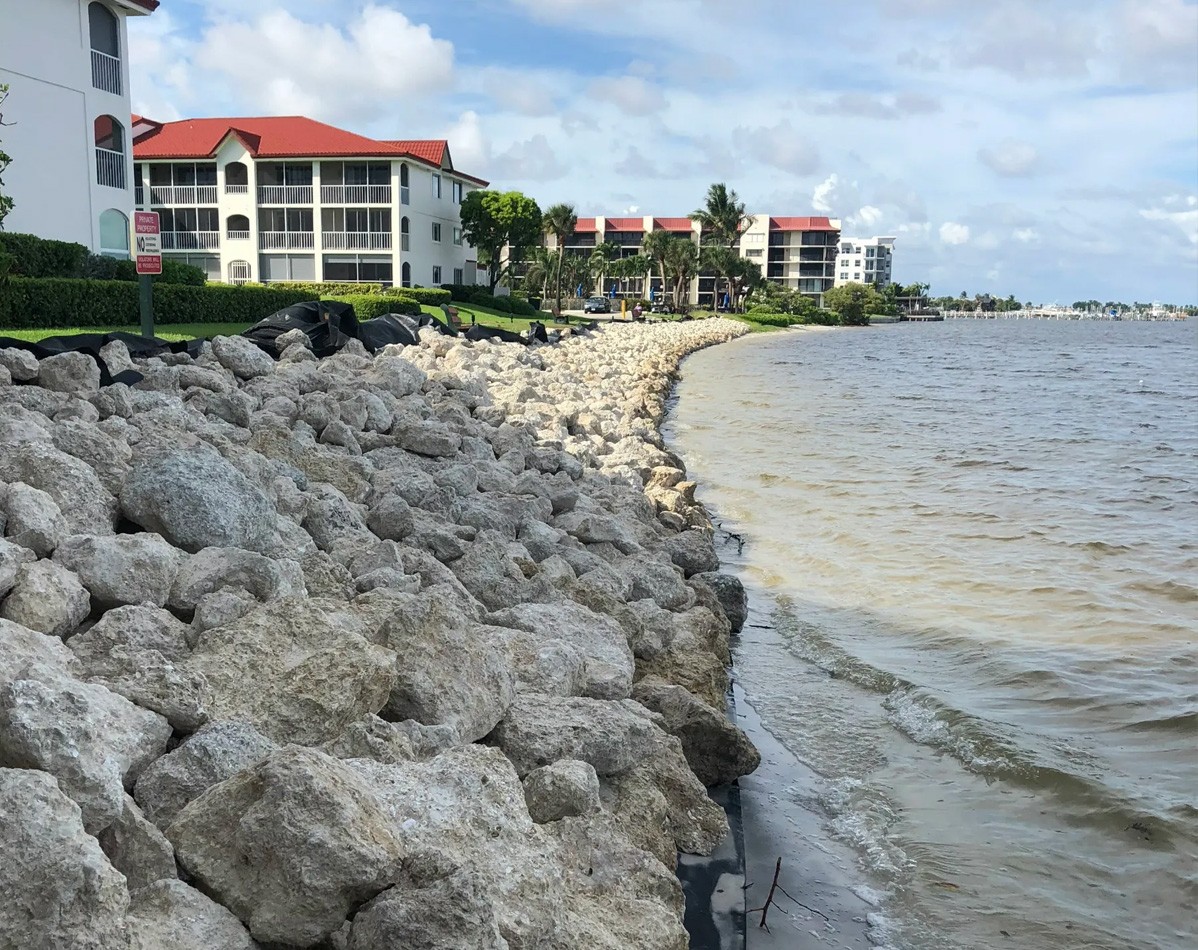
The installation of rock revetments is a crucial aspect of coastal engineering, offering protection against erosion and wave action. As sea levels rise and weather patterns become more unpredictable, the demand for effective coastal protection strategies increases. Rock revetments provide a robust solution, blending durability with a natural appearance. However, the installation process requires meticulous planning and execution, ensuring that the structure not only withstands environmental stresses but also harmonizes with the surrounding ecosystem. This article delves into expert tips for rock revetment installation, guiding professionals and coastal managers toward more effective and sustainable practices.
Understanding the Basics of Rock Revetment
Rock revetments serve as a sloped defense mechanism, typically constructed using large rocks or boulders. Their primary function is to dissipate wave energy and prevent coastal erosion. Key components include:
- Armor Layer: The outermost layer composed of large stones, designed to absorb and deflect wave energy.
- Filter Layer: Positioned beneath the armor layer, this layer prevents erosion of the underlying soil.
- Core Material: Provides structural support and stability to the revetment.
For a deeper dive into the components and their roles, discover expert strategies here.
Key Considerations for Installation
Successful rock revetment installation hinges on several critical factors, including site conditions, material selection, and environmental impact.
Site Assessment
A thorough site assessment is essential before any installation. This includes:
- Evaluating wave dynamics and tidal patterns.
- Analyzing soil composition and stability.
- Considering local wildlife and ecological concerns.
Learn about our tailored solutions by visiting this comprehensive guide.
Material Selection
The choice of materials is crucial for the longevity and effectiveness of the revetment. Considerations include:
- Durability and resistance to weathering.
- Availability and cost-effectiveness.
- Compatibility with local environmental conditions.
Explore advanced guides and tips on selecting the right materials here.
Installation Techniques
Proper installation techniques ensure the stability and effectiveness of rock revetments. Key techniques include:
Layering and Placement
Ensure each layer is placed correctly:
- Uniform Layering: Each layer must be evenly distributed to maintain stability.
- Interlocking Stones: Strategic placement to enhance structural integrity.
- Permeability: Allowing water to pass through to prevent pressure buildup behind the structure.
Regular Maintenance
Regular maintenance is essential to address any wear or displacement:
- Periodic inspections for damage or movement.
- Replacing or adjusting dislodged stones.
- Monitoring changes in environmental conditions that may affect the revetment.
Find out more about this approach through detailed insights.
Conclusion
Rock revetments remain a cornerstone of coastal protection, offering a blend of strength, durability, and aesthetic appeal. By adhering to expert installation practices and maintaining a keen awareness of environmental impacts, professionals can ensure the longevity and effectiveness of these structures. For those seeking further guidance, resources are available to support effective implementation and maintenance strategies.
